Check for safety hazards first. Document everything before you touch it. Then call your insurance company the same day. Illinois has led the country in tornado activity this year, and Champaign County alone has logged 84 tornadoes since 1950. This isn’t rare weather here. It helps to know the order of steps before you need them.
A tornado doesn’t give you much warning, and it doesn’t leave you much time to think once it’s over. What you do in the first hour matters. So does what you do in the first week.
Here’s what actually helps, in the order it usually comes up.
Is It Safe to Go Back Into a Tornado-Damaged Home?
Wait for local authorities to confirm it’s safe before you go back in. From the outside, check for downed power lines, gas leaks, and obvious structural damage. If you hear shifting or cracking once you’re near the building, get out. That sound means something is still moving.
A home doesn’t need to look collapsed to be dangerous. Tornadoes shift foundations and weaken roof framing in ways you won’t notice from the driveway. Walk the outside first. Save the inside for later, once you know it’s actually safe to be there.
Check for these before you get any closer:
- Power lines are down anywhere on the property
- The smell of natural gas, which usually means a line ruptured
- Cracks in the foundation or exterior walls that weren’t there before
- A roofline that looks shifted or sunken
- Standing water anywhere near downed lines
If you evacuated, don’t head back until officials say it’s clear. And if you’re still not sure the house is sound once you’re standing in front of it, that hesitation is worth listening to. A professional inspection before you go in beats finding out the hard way.
What Should I Check for Structural Damage After a Tornado?
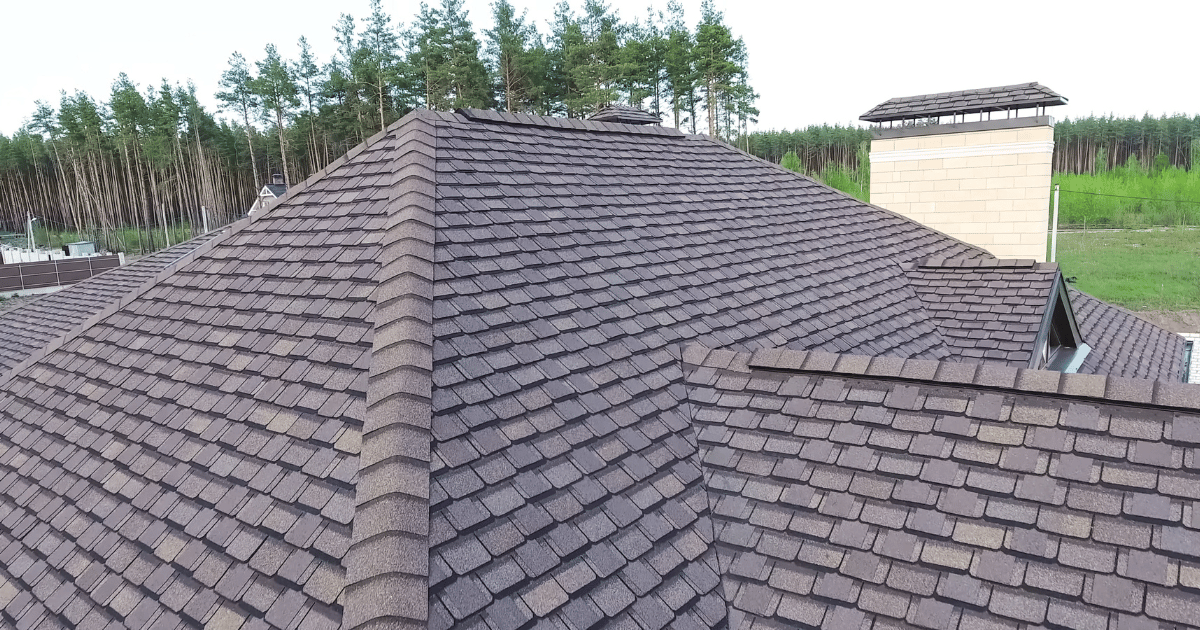
Start with the roof, the foundation, and the exterior walls. These carry the most risk if something’s actually wrong. Roof damage from a tornado is rarely just missing shingles. It’s often decking that’s shifted or framing that’s been pulled loose. Cracks in the foundation or walls, or even slight leaning, may mean the home is not safe to live in until someone takes a closer look.
Hail dents a roof. Wind tears at shingles. A tornado does something different. It can twist framing and push walls out of plumb without the damage being obvious from the yard. That’s the part people miss. The outside can look almost fine while the structure underneath isn’t.
Once you know it’s safe to get closer, check these areas:
- Roof and attic: daylight coming through the roof deck, sections that sag where they shouldn’t, missing or lifted roofing material
- Foundation and walls: new cracks, especially horizontal ones, and walls that seem to lean or bow
- Windows and doors: frames that no longer sit square in their openings
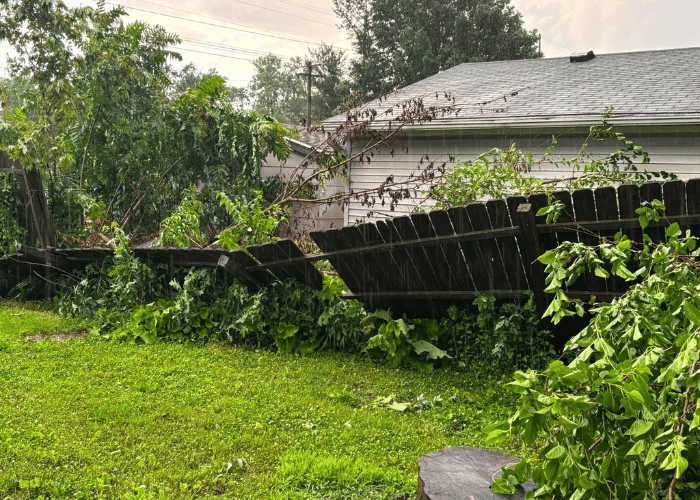
- Trees nearby: large trees still leaning toward the house, even if they haven’t fallen yet
If you spot any of this, treat it as a reason to get a professional assessment before settling back in, even if you’re planning to stay.
How Do I Document Tornado Damage for My Insurance Claim?
Photograph everything before you move it or start cleaning up. Wide shots first, then close-ups. Your phone already timestamps the photo, so you don’t need to do anything extra there. Get the inside and the outside, especially anything that has been touched by water from a damaged roof or a broken window.
An adjuster works from what you can show them. The more they can see clearly, the fewer back-and-forth questions you’ll deal with later.
A few things that make a real difference:
- Photograph each side of the house on its own, then move in for the specific damage
- Don’t pull anything loose, like shingles or siding, before it’s been photographed where it sits
- Keep a written list of what’s damaged, with a rough sense of age and condition before the storm
- Note the date and roughly when the tornado hit
One thing to hold off on: permanent repairs before your insurer has had a chance to look. Tarping a roof or boarding up a window is different. Those protective steps are expected, and they’re usually reimbursed. Jumping straight to full repairs before anyone’s seen the damage just makes the claim harder.
When Should I Call My Insurance Company After a Tornado?
Call the same day you discover the damage, or as soon as it’s safe to do so. Every policy handles timing a little differently, so check yours, but there’s no upside to waiting.
Have your policy number ready if you can find it. If not, your name and address will get you there. Describe what happened and when. If you’ve already got photos, say so. Ask what happens next and roughly when you’ll hear from an adjuster.
After a tornado that hits a wide area, expect the process to run a little slower than usual. Carriers often pull in out-of-state adjusters just to keep up with the volume. A few extra days of waiting after a major outbreak isn’t your claim getting lost. It’s just the math of a lot of people calling at once.
How Do I Avoid Contractor Scams After a Tornado in Illinois?
Be careful with anyone who shows up unannounced and offers to start work right away, especially if they’re pressuring you to sign before you’ve had time to think. Illinois has dealt with this pattern before. Crews follow storms from state to state, and they count on people being rattled enough to skip the usual checks.
It’s not a rare scenario. Within days of a major storm, it’s common to see unfamiliar trucks working their way through the hardest hit streets. Some of those crews are fine. Plenty aren’t equipped for the work, and a few aren’t licensed to be doing it at all.
A few ways to protect yourself:
- Get the scope, price, and timeline in writing before work begins
- Ask for proof of licensing and insurance, and actually check it rather than taking someone’s word
- Get a second estimate if you have even a day to spare
- Be skeptical of anyone who needs an answer immediately or wants full payment up front
Ask around before you hire anyone. A contractor who won’t put anything in writing, or who’s rushing you to decide, is telling you something regardless of how good the pitch sounds.
When Should I Call a Restoration Contractor After Tornado Damage?
Once it’s safe to be near the property and you’ve got your documentation together, it’s worth having someone walk it with you, even before the adjuster shows up. A second set of eyes from someone who does this for a living tends to catch things homeowners miss. Walking in with a written scope already in hand also speeds up that adjuster conversation.
This is where it helps to have one company handle the inspection, documentation, and repair. We walk the property with you, document what we find, and help keep things moving from there. Because plumbing, electrical, and HVAC all run through C-U Trade Services in-house, you’re not stuck managing three different contractors on three different schedules for one storm.
What we do is make sure nothing gets missed before repairs start, so you walk into that insurance conversation with real information, not guesswork.
Frequently Asked Questions
Does homeowners’ insurance cover tornado damage in Illinois?
Most standard homeowners’ policies cover tornado damage, including wind and structural damage. Flood damage is usually the exception and needs its own policy. Check your specific coverage or call your agent if you’re not sure where you stand.
How long do I have to file a tornado damage claim in Illinois?
There’s no single deadline that applies to everyone. Every policy sets its own window, often a year or more from the date of loss. The honest answer is to check your policy or call your agent, but waiting doesn’t help your case. Fresh damage is easier to document than damage from months ago.
Can I make temporary repairs before the insurance adjuster inspects the damage?
Yes. Tarping a roof or boarding up a broken window is expected, and it’s usually reimbursed. Hold off on anything permanent, like a full roof replacement, until your insurer has actually seen the damage.
What if my home isn’t safe to enter after a tornado?
Don’t go in until someone confirms it’s safe, whether that’s local authorities or a professional you trust. Downed lines, the smell of gas, leaning walls, a shifted roofline. Any of those is reason enough to stay out and get an inspection first.
Do I need a permit to repair tornado damage in Champaign or Urbana?
Usually, yes, especially for roofing or structural work. The exact rules depend on where you live, so check with your local building department before work starts, even if your contractor’s already given you an estimate.
Need Help After a Tornado?
If a tornado hits your home in the Champaign-Urbana area, reach out. We’ll walk the property with you, document what we find, and help you figure out what comes next.